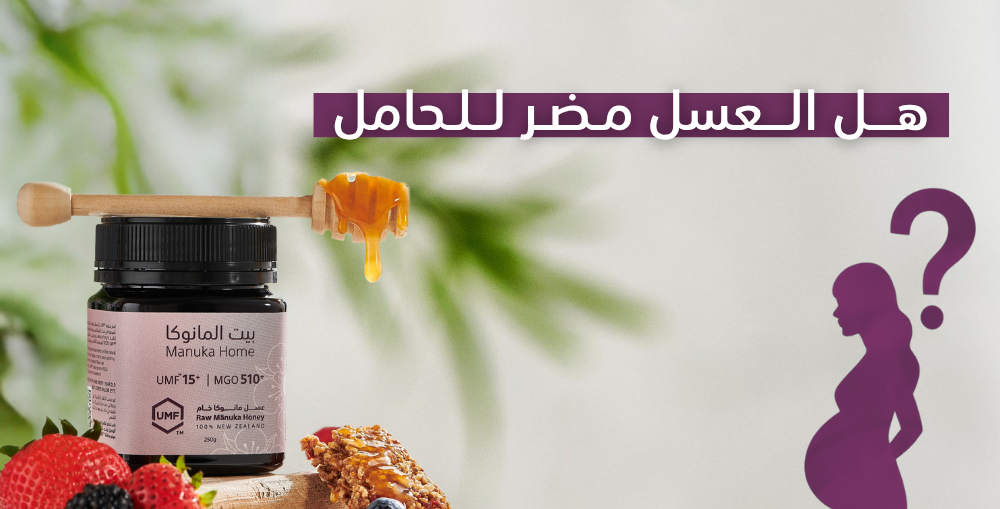
During the journey of motherhood, every woman seeks the best for her health and that of her fetus. Manuka honey stands out as an exceptional natural option that combines a rich taste with unique health benefits. Contrary to common concerns about whether honey is harmful to pregnant women, pure and reliable Manuka honey is safe and beneficial for pregnant women, provided it is of a moderate source and quality. The greatest risk is to infants only.
Thanks to its antibacterial and immune-boosting properties, Manuka honey helps support the immune system during pregnancy, relieve sore throats, improve digestion, and combat the natural fatigue that accompanies pregnancy changes. It is also a natural source of energy, giving you vitality without the need for artificial stimulants.
Manuka honey is more than just honey; it's a pure and authentic food, worthy of a special stage in your life.
Is honey harmful to pregnant women?
In general, natural honey is safe for pregnant women when consumed in moderate amounts, provided it is raw and unpasteurized, such as pure Manuka honey , which is considered the best type of honey for pregnant women. However, as is the case with any nutritional ingredient, excessive consumption may carry some significant health risks, including:
blood sugar imbalance
Excessive honey consumption may lead to a sudden spike in glucose levels, which increases the likelihood of insulin resistance and thus increases the risk of gestational diabetes and metabolic disorders.
digestive disorders
The high fructose content of honey may cause digestive problems such as bloating, gas, and cramps, especially when consumed in large quantities.
unwanted weight gain
Despite its benefits, honey is high in calories; one tablespoon contains more energy than the same amount of refined sugar, which can contribute to weight gain during pregnancy if consumed in excess.
Regarding your question about whether honey is harmful to pregnant women, the straightforward answer is that honey is not harmful to pregnant women as long as it is consumed consciously and in moderation, paying attention to their overall health, especially for those with gestational diabetes. As the saying goes, "moderation is the key to safety."
What are the benefits of honey for pregnant women?
Manuka honey has numerous benefits, especially for pregnant women. It's not just a natural sweetener; it's a unique therapeutic formula that supports pregnant women's health throughout the various stages of pregnancy, providing a safe and effective alternative to medications in many cases. Here are the most prominent benefits of honey for pregnant women in the final or early months:
Soothe nausea and reduce vomiting
Morning sickness affects nearly 80% of women in early pregnancy. Thanks to its soothing properties and easy digestion, Manuka honey helps relieve nausea and stabilize the stomach, especially when consumed in the morning on an empty stomach. This is the best answer to the question: What are the benefits of honey on an empty stomach for pregnant women?
Stimulate digestion and combat constipation
Constipation is one of the most annoying symptoms of pregnancy, and this is where Manuka honey shines with its natural laxative properties, in addition to containing probiotic enzymes that support digestion and prevent fermentation and bloating.
Natural treatment for cough and sore throat
Manuka honey, the best type of honey in Saudi Arabia , has antibacterial properties, making it a natural choice for relieving sore throats and soothing coughs without the need for medication, especially in mild cases or during seasonal colds.
Boost immunity and prevent infection
It's known for its powerful properties as a natural antibiotic, helping to strengthen the immune system and fight bacteria and viruses. It also contains antioxidants that fight free radicals and protect cells from damage. This is the best answer to the question: Is honey harmful to pregnant women?
Combat insomnia and promote restful sleep
Manuka honey has a calming effect on the nervous system, which contributes to improved sleep quality, especially when mixed with warm milk at night.
Relieve labor pain and support energy during labor
Many women wonder why honey is beneficial during childbirth. In the final stages of pregnancy, honey helps relieve cramps and contractions, provides immediate energy during labor, and helps reduce inflammation and promote postpartum recovery.
Support fetal growth
Manuka honey contains folic acid, which is essential for the development of the fetus's nervous system, reducing the risk of birth defects, and supporting blood cell formation and brain development.
Manuka honey, now available from the Manuka House store, is a natural treasure for pregnant women. It combines nutrition, healing, and prevention, provided it's used in moderation and from a trusted source. It's your perfect companion on your motherhood journey, giving you strength and the best start for your fetus. Order now and enjoy a pregnancy filled with health and vitality.
When is it forbidden for pregnant women to eat honey?
Although honey – especially Manuka honey – is a natural treasure with antibacterial and anti-inflammatory properties, its consumption should be used with caution in certain health conditions, such as:
pollen allergy
Is honey harmful to pregnant women? If a pregnant woman suffers from seasonal allergies or pollen allergies, honey—especially impure types—may cause allergic reactions ranging from skin rashes to congestion, and in rare cases, may even lead to severe allergic reactions.
digestive problems
If you have intestinal disorders such as irritable bowel syndrome or chronic inflammation, honey may irritate your stomach or worsen your symptoms due to its high fructose content.
low blood pressure
Natural honey has a blood pressure-lowering effect, which can be dangerous for pregnant women suffering from low blood pressure, especially if it contains compounds from calming plants such as valerian.
gestational diabetes or high blood sugar
Honey is a source of simple carbohydrates, so pregnant women with or at risk of gestational diabetes should be careful when consuming it, as it can quickly raise blood glucose levels.
weight gain
When consumed in excess, honey can turn from a beneficial food into an unwanted source of excess calories, which can lead to weight gain during pregnancy, especially if consumed randomly or as a permanent substitute for sugar.
Important note:
It is preferable not to add honey to hot drinks at high temperatures (above 45°C), because the heat causes it to lose many of its therapeutic properties, and it becomes just a source of sugars.
Is honey harmful to pregnant women?
Selection of Manuka Honey 1 kg From a reliable source, and consumed consciously and in moderation, it gives you the benefits without the risks. Protect yourself and your fetus with a pure, natural, and effective product.
Contact us now to get certified and approved Manuka honey for pregnant mothers. For smarter health, choose the best.
Can eating honey cause miscarriage?
One of the common questions that comes to mind for many women is: Is honey harmful to pregnant women in the first months? Is honey harmful to pregnant women in the last months?
Many pregnant women fear eating honey because it can cause miscarriage. However, these fears are not supported by any reliable scientific evidence to date.
Natural honey, especially pure Manuka honey, the best honey in the world and medically approved; every product has a UMF analysis certificate; is considered safe for consumption during pregnancy if consumed in moderation and within the recommended amount (3 to 5 teaspoons per day). On the contrary, honey offers multiple benefits for the mother during this sensitive stage, including:
- Boost immunity to cope with physiological changes during pregnancy.
- Fights infections and soothes symptoms of colds and sore throats.
- Supports the digestive system and relieves heartburn and ulcers.
- Helps you sleep peacefully thanks to its soothing properties.
- Nourishing the body with natural antioxidants important for fetal growth.
The botulinum toxin present in some types of raw honey theoretically does not pass to the fetus through the placenta, so there is no proven risk to the pregnancy or the fetus.
However, it is recommended to monitor blood sugar levels, especially for pregnant women at risk of gestational diabetes, given that honey contains a percentage of glucose. Choose pure Manuka honey and enjoy its golden benefits safely and confidently.
What are the best types of honey for pregnant women and the fetus?
Now that we've answered the question, "Is honey harmful to pregnant women?" It's important to know that during pregnancy, choosing the right food becomes a double responsibility. Honey, when pure and natural, is an amazing source of energy, immunity, and healing. Here's a selection of honey types that are safe and effective for both pregnancy and the fetus:
Manuka Honey – Medical Gold for Pregnant Women
No discussion of honey suitable for pregnancy can be complete without mentioning New Zealand Manuka honey , which is ranked among the strongest types of honey in the world. It is characterized by a high concentration of the compound MGO (methylglyoxal), responsible for its antibacterial and antiviral properties.
Contributes to:
- Strengthening your immune system in the face of hormonal changes.
- Protects the digestive system and relieves symptoms of heartburn and nausea.
- Accelerating wound healing after childbirth, especially cesarean section.
- Support your skin against inflammation and pigmentation.
Choose it with a UMF rating of 10+ or higher to ensure quality and effectiveness.
Sidr Honey - Pure Healing from Nature
It is extracted from the nectar of wild sidr trees and is known for its high therapeutic properties.
Useful for pregnant women in:
- Support your energy during pregnancy and after childbirth.
- Preventing infections and recovering from birth wounds.
- Enhance blood circulation and nourish the body with rare minerals.
- Its natural source guarantees you high purity without additives.
Pine honey – a mineral-rich formula
Dark honey, heavy in consistency, with a distinctive taste and high nutritional value.
Helps to:
- Rich in iron, calcium and magnesium, which contribute to strengthening bones.
- It fights bacteria and fungi thanks to its unique formula.
- Ideal for supporting the body in the later months of pregnancy.
White honey - soft energy and perfect purity
Honey is smooth in texture, sweet in taste, and easy on the stomach.
- Gives you an instant boost of energy.
- Safe to mix with daily drinks or meals.
- Suitable for mild allergies and mornings.
Conclusion:
Each type of honey has its own properties, but if you're looking for the strongest and most effective honey during pregnancy, UMF 20+ Manuka honey is the perfect choice, thanks to its exceptional healing abilities and unique active ingredients.
Order now the original, medically certified Manuka honey , and start your journey towards a healthy and natural pregnancy with every spoonful, stronger health and a safer fetus.
How much honey is allowed per day?
Despite the significant benefits of honey during pregnancy, moderation is key. As for whether honey is harmful to pregnant women, it's recommended that the daily intake not exceed one to two tablespoons, equivalent to 30-40 grams.
This is to avoid excess calories and simple sugars, which should preferably not exceed 10% of a pregnant woman's total daily calories (between 1,800 and 2,400 calories, depending on the stage and health condition).
Contact us and always choose pure honey of reliable quality, such as Manuka honey, which provides benefits in a smaller quantity thanks to its high concentration and active compounds.
When to eat honey for pregnancy?
The best time to consume honey is early in the morning on an empty stomach, as this allows the body to maximize its nutritional value and boost energy and immunity from the start of the day.
It can also be taken after main meals to support digestion and reduce heartburn, but it is preferable to spread it over regular intervals throughout the day.
But avoid artificial or unknown honey, and give your body and your fetus the best by choosing certified medical Manuka honey, which combines high safety with concentrated benefits.
Order now the original Manuka honey from the Manuka House store, the first store to sell the finest New Zealand Manuka honey, and start your day using a wooden honey spoon to eat Manuka honey because you deserve the best and because the health of your fetus begins with your food.
Is honey allowed during pregnancy? And how should it be consumed?
Yes, it is permissible due to its many benefits, but with caution. The best way to consume honey during pregnancy is to combine it with natural ingredients that enhance its benefits and reduce the annoying symptoms that may accompany this stage, such as nausea, fatigue, and digestive disorders. Here are the most prominent smart ways to consume it:
- One teaspoon in the morning on an empty stomach with warm water to boost immunity and flush out toxins.
- Honey with yogurt to improve digestion and increase protein.
- Honey with tahini to replace calcium and support bones.
- Honey with ginger or lemon to soothe a sore throat and reduce nausea.
- Honey with black seed to support energy and prevent anemia.
Always choose genuine Manuka honey . Thanks to its antibacterial properties and high MGO content, it is safe and effective for supporting maternal and fetal health. Enjoy every spoonful of Manuka honey as a complete nutritional powerhouse for your pregnancy, and start your day with a natural flavor you trust. Order now and enjoy premium shipping and packaging services from the Manuka House store.
How to choose the best honey for pregnancy?
To ensure maximum nutritional benefit for you and your fetus, here are the criteria for choosing the ideal honey during pregnancy:
Purity and quality of honey:
Make sure to buy 100% natural, unadulterated honey that is completely free of artificial additives or added sugars. It is preferable to choose organic or raw honey, which is known for its high content of enzymes and active bioactive compounds.
Suitable type:
Look for varieties known for their healing and nutritional properties, such as Manuka honey, thanks to its high MGO content and antibacterial properties.
Choose nuts carefully:
When consuming honey with nuts, choose raw, fresh varieties such as almonds, walnuts, and pistachios—rich in fatty acids, proteins, and vitamins that support fetal development. Nuts and honey can cause an allergic reaction, as botulism bacteria are more dangerous for infants under one year old. However, for pregnant women, the risk is very low, but it warrants caution.
Safety first:
Avoid unpasteurized or low-quality honey, which may contain harmful bacteria such as Clostridium botulinum, and make sure to purchase honey from a trusted and certified supplier to ensure safety and purity.
Smart medical advice:
Don't hesitate to consult your doctor before introducing any new type of honey into your diet, especially if you have a history of allergies or diabetes.
How do you store Manuka honey without losing its value?
To ensure the purity and quality of New Zealand premium Manuka honey , careful storage steps must be followed. Honey does not spoil easily, but the way it is stored directly affects its effective properties. All you have to do is follow the following:
Stay away from heat and light sources:
Place the honey container in a dark, cool place, away from direct sunlight or heat-emitting appliances, to prevent enzyme decomposition and alteration of the honey's biological composition.
Tightly close the package:
Make sure to close the lid tightly after each use, as air and moisture can affect the consistency and purity of honey over time.
Keep the original packaging:
It is best to keep honey in its original packaging, as the Manuka honey containers at the Manuka House store are specially designed to suit the properties of the honey and do not interact with it.
Use clean, dry tools:
When scooping honey, use a completely dry spoon, preferably one that is wooden or plastic and not reactive. A wet spoon may accelerate the crystallization of the honey or alter its properties.
When you store Manuka honey properly, you ensure it maintains its potency, rich taste, and superior healing properties, continuing to provide you with all its purity and benefits during pregnancy. However, you should consult your doctor if you have allergies or blood sugar disorders.
Frequently Asked Questions
Benefits of honey for pregnant women in the seventh month?
In the seventh month, you need nutrition that supports your energy and promotes your fetus's rapid growth. This is where pure Manuka honey comes in. It's rich in antioxidants and vitamins that help strengthen immunity, improve digestion, soothe nervous tension, and help reduce inflammation—all essential for safely and healthily navigating the final stages of pregnancy.
Is honey harmful to pregnant women in the fifth month?
Safe, processed honey doesn't cause any harm to pregnant women in the fifth month. Quite the opposite: It provides natural energy and reduces common pregnancy symptoms like nausea and upset stomach. Just make sure it's from a reliable source and free of contaminants, such as New Zealand Manuka honey.
What are the benefits of honey for postpartum women?
There are not enough studies or evidence about the benefits of honey for women during the postpartum period.
Is it safe to drink lemon and honey during pregnancy?
Yes, drinking lemon with honey is safe and has numerous benefits during pregnancy, such as boosting immunity, reducing nausea, and improving digestion. It's best to drink it in the morning or when feeling tired, provided you aren't allergic to either ingredient and pay attention to the quantity.
Does honey cause cramps in pregnant women?
There is no reliable scientific evidence that honey causes uterine contractions. However, it has soothing and anti-inflammatory properties and may help reduce digestive tension and the resulting cramps. Balance is key, neither too much nor too little.
What is the effect of honey on pregnant women?
Honey provides comprehensive nutritional support for pregnant women. It boosts immunity, increases energy levels, supports healthy fetal growth, and contributes to improved digestive and circulatory health. It is a natural nutritional supplement recommended in moderation and from a reliable source.
Is honey with nuts good for pregnant women?
Yes, and yes, the combination of honey and nuts is a nutritious combination that supports the health of both mother and fetus. Honey gives you instant energy and antioxidants, while nuts provide protein, fatty acids, calcium, and magnesium, all of which promote the fetus's mental and skeletal development and keep you active during pregnancy.
Is honey harmful when trying to get pregnant?
On the contrary, honey may support reproductive health when consumed in moderation. It contains antioxidants that promote hormonal balance and help improve egg quality. There is no scientific evidence proving its harm when trying to conceive unless you have an allergy or specific health condition.
Is honey harmful for gestational diabetes?
For gestational diabetes, honey should be used with caution. Although it is natural, it still contains simple sugars that may raise blood glucose levels. It is recommended not to consume it without consulting a specialist doctor and under close monitoring of blood glucose levels.
Finally, your smart choice starts with a reliable, pure, and nutritious honey, like genuine Manuka honey, to provide you with immune support, renewed energy, and optimal nutrition for a healthy and safe pregnancy. Because every spoonful counts, choose carefully and give yourself the best. As for whether honey is harmful to pregnant women , the answer is now crystal clear.