In the pursuit of natural products for health enhancement, bee pollen stands out as a widely promoted supplement. However, many overlook its potential downsides. Bee pollen side effects can be dangerous for certain individuals, especially those with allergies or immune system issues, potentially leading to severe allergic reactions and serious health complications.
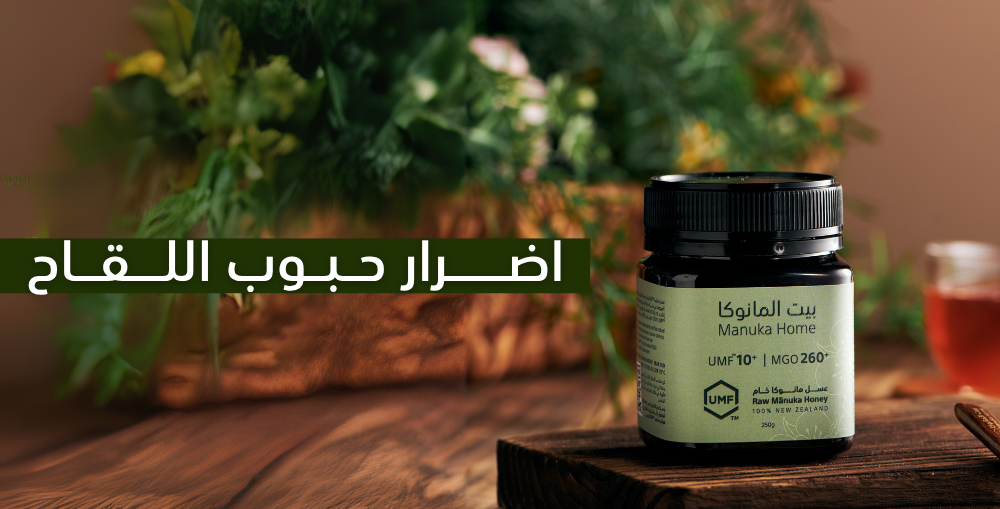
With growing awareness of the importance of choosing safe and effective products, experts are increasingly recommending authentic Manuka honey. This natural, more potent, and safer option combines high efficacy with immune support without exposing the body to the potential harms associated with bee pollen.
New Zealand Manuka honey, renowned for its antibacterial and anti-inflammatory properties, is an ideal alternative for those seeking to boost their immunity without risking unexpected complications. While warnings abound regarding the dangers of bee pollen, Manuka honey remains the smart and safe choice for your health, straight from nature to you.
What is Bee Pollen?
Bee pollen is a complex natural compound consisting of a rich mixture of flower pollen, nectar, enzymatic bee secretions, along with quantities of honey and wax. These tiny granules adhere to bees' bodies during foraging, and the bees then transport them back to the hive for use as a primary food source for the colony.
Despite its common perceived benefits, bee pollen side effects can become evident in some individuals, particularly those with allergic or immune disorders. It's crucial to differentiate bee pollen from other bee products like honey, royal jelly, beeswax, and bee venom, as each differs in composition, use, and health impact.
What is the Nutritional Value of Bee Pollen?
Bee pollen is famous for its unique nutritional composition, containing an astonishing blend of over 200 active compounds, including carbohydrates, proteins, fats, water, vitamins, and minerals, as well as antioxidants and vital enzymes.
However, this seemingly promising nutritional profile may hide some risks. Many ask, "Are there dangers to bee pollen?" Indeed, bee pollen side effects can result from allergic reactions, digestive disorders, or even interactions with certain medications.
The potential for harm increases due to the varying quality and source of bee pollen, depending on the type of flowers, the harvest season, and the surrounding environment.
Nevertheless, those seeking safe and effective nutritional support may find authentic Manuka honey to be a natural alternative that surpasses bee pollen in its therapeutic and nutritional properties, without the risks of associated side effects.
What are the Types of Bee Pollen?
Bee pollen varies depending on its plant source and collection method, which gives it differing nutritional properties. However, it's important to recognize that bee pollen side effects may increase with certain types if not consumed consciously, especially for those with allergies or immune system issues. Prominent types include:
- Bee-Collected Pollen: The most common type, collected by bees from various flowers and trees, but it can cause allergic reactions in some individuals.
- Mixed Pollen: A blend from multiple sources, which increases its nutritional diversity but makes its side effects harder to predict.
- Specialized Pollen: Collected from specific plants and promoted for its precise benefits, but not without the known risks of bee pollen, especially with uncontrolled use.
- Organic Pollen: Produced without pesticides and fertilizers, and while purer, its effects are not free from medical warnings.
- Processed Pollen: Undergoes nutritional enhancement processes to reduce side effects, but bee pollen side effects still exist if there is a pre-existing allergy.
Therefore, the safest and most effective option remains balanced natural elements, such as the pure New Zealand Manuka Honey available from House of Manuka, which is rich in antibacterial and anti-inflammatory properties and can provide a complete nutritional alternative without the need to expose oneself to the risks associated with bee pollen.
What are the Benefits of Bee Pollen for the Body?
Bee pollen is rich in numerous substances that benefit all organs of the body, such as the heart, kidneys, liver, and other vital organs. The most important benefits of bee pollen include:
- Treats all stomach and digestive system problems.
- Enhances and strengthens the immune system.
- Effectively contributes to reducing symptoms of nasal allergies.
- Reduces bothersome inflammation in the body.
- Fights cancer and protects the body from it.
- Reduces symptoms of depression.
- Improves concentration and enhances memory function.
- Treats bone problems.
- Enhances liver functions.
- Accelerates wound and burn healing.
- Protects against the risks of heart disease.
- Reduces the incidence of high fats and cholesterol.
What are the Benefits of Bee Pollen for Skin and Hair?
In addition to its many benefits we've highlighted, bee pollen has several benefits for skin and hair. It helps treat eczema, effectively and safely treats acne, and reduces skin rashes, significantly contributing to metabolic processes.
It also effectively contributes to hair growth and strengthens follicles, which helps reduce hair loss, a problem many men and women face.
What are the Benefits of Bee Pollen for Men?
Some studies show that the benefits of bee pollen with honey for men are numerous, potentially positively impacting men's health, particularly in alleviating chronic prostatitis symptoms and helping control benign prostatic hyperplasia. Research also suggests its role in reducing the chances of prostate cancer.
In terms of sexual health, these grains have shown the ability to support reproductive functions in men, especially those suffering from erectile dysfunction or infertility linked to diabetes. Despite these benefits, the side effects of bee pollen should not be overlooked, as they can manifest as severe allergic reactions, requiring caution when used, especially without medical supervision.
What are the Benefits of Bee Pollen for Women?
Bee pollen plays a significant role in supporting women's health. Among the benefits of bee pollen with honey for women are:
The ability to alleviate hormonal disturbances associated with menopause, including reducing the severity of hot flashes, in addition to its role in alleviating premenstrual syndrome symptoms. Some research also indicates its potential positive effect on regulating ovarian activity and promoting hormonal balance. Despite these potential benefits, the side effects of bee pollen remain a real concern, especially with a history of allergies or when consumed without medical supervision, which can cause undesirable health reactions.
What are the Benefits of Bee Pollen for Children?
Bee pollen is a rich source of essential nutrients for child development, believed to enhance the absorption of vital minerals such as iron, calcium, and phosphorus, which are essential for bone building and the development of vital body functions.
However, its consumption by children must be done with extreme caution. Despite the claimed benefits, the side effects of bee pollen on this age group can be fatal, as it can cause life-threatening hypersensitivity reactions, making complete avoidance the safest option for children.
What are the Benefits of Bee Pollen for Pregnancy?
One of the common questions is, "What are the benefits of bee pollen for women during pregnancy?" The answer is simply that it enhances the health of the mother and fetus because it contains many important nutrients that many women need during pregnancy.
In addition to reducing symptoms of stress and constant anxiety for the pregnant mother, it also boosts body energy levels and works to reduce fatigue and weakness.
What are the Side Effects of Bee Pollen?
Although bee pollen is widely known as a natural supplement rich in nutrients, it is not without risks. Bee pollen side effects can range from severe allergic reactions and undesirable drug interactions to health complications in specific groups, such as asthma patients or those with immune disorders. The side effects of bee pollen for both women and men include:
Allergic Reactions: Hypersensitivity is one of the most dangerous side effects that some people may experience as a result of consuming bee pollen. Common symptoms include:
- Skin itching and rash.
- Swelling of the face or lips.
- Difficulty breathing.
- Nasal congestion or persistent sneezing.
Drug Interactions: Bee pollen can dangerously interact with certain medications, such as:
- Blood thinners, increasing the risk of bleeding.
- Antihistamines or certain antibiotics, which may weaken their effectiveness or worsen side effects.
Unwanted Weight Gain: Although sometimes used to stimulate appetite, excessive consumption can lead to rapid weight gain due to its high sugar and calorie content.
Danger to Asthma Patients: Some reports indicate that consuming bee pollen may worsen asthma symptoms, especially in those with chronic respiratory sensitivity.
How to Smartly Deal with Bee Pollen Side Effects?
To prevent and avoid the complications of bee pollen side effects, it is recommended to:
- Start with very small doses to monitor for allergic reactions, especially when consuming it for the first time.
- Completely refrain from consuming it if there is a medical history of allergy to bee products.
- Consult a specialized doctor before consuming it, especially for those taking regular medications.
- Completely avoid it for individuals suffering from asthma or respiratory disorders.
Manuka Honey: The Safe and Effective Alternative
If you're looking for a natural option that provides immunity and energy without risk, then New Zealand Manuka Honey is the ideal alternative. Unlike bee pollen, this unique New Zealand honey features an antibacterial and anti-inflammatory composition, in addition to being safe for most individuals, even those with sensitivities.
Manuka honey does not interact with medications and does not cause the common allergies associated with bee pollen, making it an ideal choice for supporting health without worrying about side effects. Order it now to receive it wherever you are.
How to Consume Bee Pollen?
Bee pollen is usually available in small granules, and it is recommended to consume it cautiously and gradually. Many people search for the correct way to consume bee pollen; consumption should start with a small dose initially.
Regarding "how many spoons of bee pollen per day?" It is best to start with just a quarter teaspoon daily, then gradually increase the amount to a maximum of two tablespoons per day before meals, while observing the body's response.
When given to children, only a very small amount, a few granules, should be used, due to the possibility of bee pollen side effects including severe allergic reactions, which can be dangerous for this age group.
Sometimes, the method of using bee pollen for women, men, and children involves mixing the granules with yogurt, juices, or oatmeal. It is also recommended to store it in a cool, dark environment to ensure its effectiveness.
With increasing concern over the harms associated with bee pollen, many are turning to safer natural alternatives like Manuka honey, the best honey in the world, which is highly effective in supporting immunity without causing allergies, making it a smart choice for those seeking the benefits of bees without risk.
Can Bee Pollen be Used for Weight Loss?
Despite the widespread belief that the benefits of bee pollen for women for weight gain are numerous, bee pollen shows a potential ability to contribute to weight loss by stimulating metabolic processes, promoting satiety, and curbing appetite due to its phenylalanine content.
However, it must be handled with caution, as bee pollen side effects can appear in some individuals as digestive disorders or skin and respiratory allergies, especially when used in high or uncontrolled doses.
In this context, many prefer to turn to Manuka honey as a sugar substitute. It is an effective natural alternative that combines the ability to support nutritional balance and enhance digestion without causing side effects, making it a preferred choice for those wishing to improve their health in a safe and deliberate way.
Can Bee Pollen be Consumed Daily? What is the Permitted Amount?
Yes, it can be consumed daily, but consuming bee pollen requires precise dosing to avoid side effects. The permitted dose varies depending on age and health status, making medical consultation indispensable.
Excessive or random consumption can lead to bee pollen side effects such as skin allergies, respiratory disturbances, or even life-threatening allergic reactions.
For this reason, it is recommended to stick to balanced natural sources such as unique pure Manuka honey, which combines luxurious taste and health benefits without the need for any risky supplements.
Manuka honey, with its unique therapeutic properties and strong MGO concentrations, represents the optimal choice for those seeking natural immunity and nutritional purity.
How Do I Know if Bee Pollen is Authentic?
If you've wondered how to verify the authenticity of bee pollen, the answer lies in the following:
It should be purchased from trusted honey stores known for their credibility and commitment to providing pure natural products, which are tested in accredited laboratories to ensure their quality and safety.
Authentic bee pollen is characterized by high quality, extracted from rich agricultural environments that impart a delicious natural flavor and distinctive colors, often tending towards light yellow, depending on the plant type and production location.
Despite this quality, its prices remain reasonable, making it accessible to those looking for a reliable and effective product.
Enjoy the benefits of bee pollen, rich in essential elements like vitamins and minerals, that support your overall health and enhance your activity and vitality naturally and balanced.
Frequently Asked Questions
When do the effects of bee pollen for sexual health begin?
Generally, there are no clear studies supporting a direct effect on men's sexual performance, and any indirect positive effect may appear after weeks of use, varying according to health status.
Does bee pollen increase feminine areas?
There is no scientific evidence proving an increase in breast or buttock size in women with regular bee pollen consumption; claims relate to plant compounds but are not clinically proven.
Does bee pollen affect the heart?
Bee pollen contains antioxidants that may lower bad cholesterol and improve blood circulation, but human evidence is limited and primarily based on animal studies.
When do the effects of bee pollen for fattening begin?
Bee pollen is rich in protein and vitamins and may enhance appetite in some people, but its fattening effect is not documented by strong studies; it's only an appetite stimulant.
Does bee pollen cause gas?
It may occasionally cause stomach upset or mild gas in some users, especially when taken for the first time.
Does bee pollen increase women's libido?
There is no scientific evidence supporting an increase in female libido with bee pollen use.
Does bee pollen delay ejaculation?
Medical studies have not proven any effect on delaying ejaculation in men using bee pollen.
Does bee pollen affect the liver?
Bee pollen often improves liver function through antioxidants, mostly in animals, but in some individuals, it may cause rare problems, especially when taken in high doses.
Does bee pollen raise cholesterol?
The opposite is more likely; it may lower LDL (bad) and improve cholesterol levels due to its antioxidants and proteins.
Does bee pollen strengthen erections?
There is no direct evidence confirming improved erections, but protein and antioxidants may generally help support sexual health, though the effect is not scientifically proven.
Does pollen cause drowsiness?
It may cause mild dizziness or drowsiness as a rare side effect, especially when taken for the first time or for those with bee pollen allergy.
When is it recommended to get bee pollen?
It is preferred to take it about 30 minutes before meals, and there are suggestions of doses of 20–40 gm daily for stronger effectiveness immediately after meals, but consulting a doctor is best to ensure proper consumption.
How long does pollen stay in the body?
Bee pollen is absorbed into the bloodstream and usually broken down within 24–48 hours, but its nutritional effect extends depending on continuous consumption.
Does bee pollen raise blood pressure?
Generally, bee pollen does not help raise blood pressure; rather, it may help lower it due to anti-inflammatory properties and improved blood circulation, but there are no proven reports confirming bee pollen increases blood pressure.
Is bee pollen beneficial for irritable bowel syndrome (IBS)?
Bee pollen may soothe IBS symptoms through fiber and anti-inflammatory properties, but human studies are limited and it has not been proven as an approved treatment.
In conclusion, despite the numerous benefits attributed to bee pollen, it is important not to overlook its other side. Bee pollen side effects are not just possibilities, but a reality that may threaten the health of certain groups, especially those with allergies or respiratory or immune system diseases, as it may cause dangerous allergic reactions and can also negatively interact with vital medications.
Amidst this debate, those seeking to enhance overall health are turning to safer and more effective alternatives, foremost among them being authentic New Zealand Manuka Honey. It offers a pure blend of therapeutic power and nutritional safety. Thanks to its antibacterial and anti-inflammatory properties, Manuka honey is a smart natural choice for boosting immunity and energy without exposing the body to any of the risks associated with bee pollen.